Skip to the content Skip to main content


Polypropylene (PP)
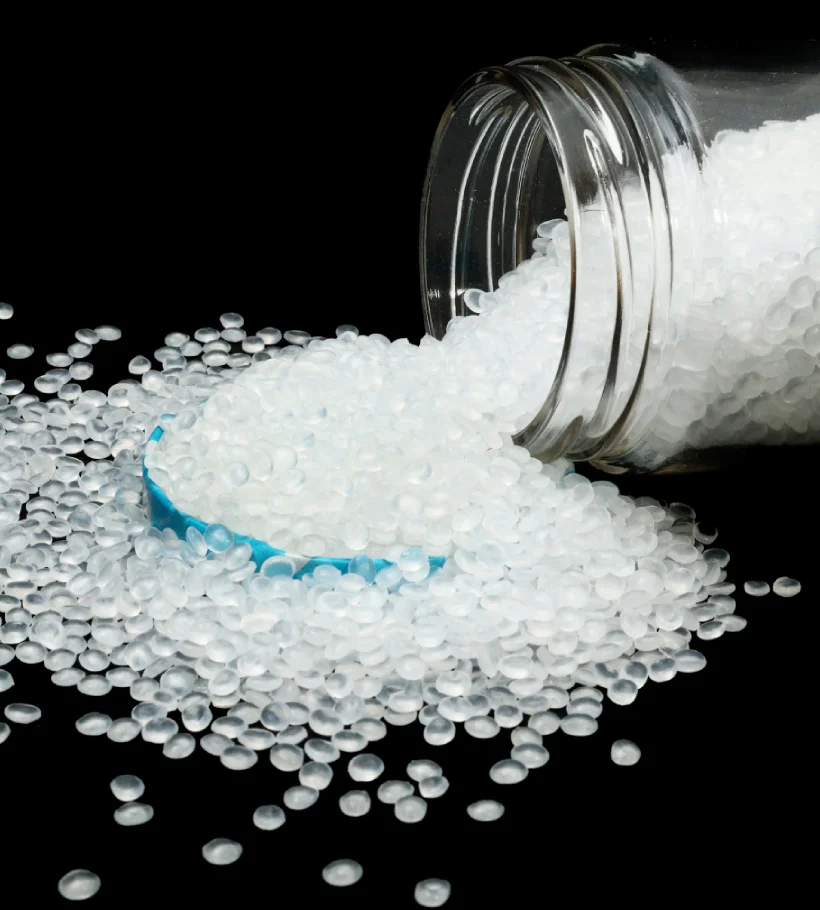
Polypropylene (PP) is a thermoplastic polymer known for its versatility, chemical resistance, stiffness, and ease of processing. Produced through polymerizing propylene monomers—using techniques like gas-phase, bulk, or solution polymerization—PP is a lightweight, durable material that can be molded into various forms.
One of PP’s key advantages is its strong resistance to chemicals, making it ideal for applications exposed to acids, bases, and organic solvents. It also offers excellent durability, withstanding fatigue, impact, and stress cracking, which makes it suitable for products that demand strength and resilience.
PP is also easily processed through methods like injection molding, extrusion, and blow molding. It can be colored and given various finishes, allowing for flexibility in design. Additionally, PP is more affordable than some other thermoplastics, such as polycarbonate or nylon, which adds to its appeal.
Despite its strengths, PP has limitations, such as lower UV resistance and limited thermal stability. Under prolonged high temperatures, it may deform, which can restrict its use in certain high-heat applications.
In summary, PP is a widely used, cost-effective material with valuable properties—especially for applications requiring chemical resistance, stiffness, and toughness.
What are the main properties of Polypropylene?
- High tensile strength and durability
- Lightweight compared to many other plastics
- Resistant to moisture, chemicals, and acids
- Easy to mold and process for industrial applications
- 100% recyclable and eco-friendly
Where is Polypropylene commonly used?
- Packaging (containers, films, bottles)
- Automotive parts (dashboards, bumpers, trims)
- Textiles (non-woven fabrics, ropes, carpets)
- Electrical components (cables, insulation, appliance housings)
- Medical items (syringes, trays, laboratory equipment)
What are the advantages of Polypropylene compared to other plastics?
- More cost-effective than many engineering plastics
- Better chemical resistance than polyethylene in some applications
- Lighter weight compared to PVC and PET
- Higher fatigue resistance, meaning it can withstand repeated bending without breaking
Technical Specifications of Polypropylene
- Density: 0.90 – 0.91 g/cm³
- Melt Flow Index (MFI): Available in multiple grades (as per client requirements)
- Tensile Strength: High mechanical stability
- Moisture Absorption: Less than 0.01%
- Operating Temperature Range: -20°C to +120°C
In summary, PP is a widely used, cost-effective material with valuable properties—especially for applications requiring chemical resistance, stiffness, and toughness.
PP is also easily processed through methods like injection molding, extrusion, and blow molding. It can be colored and given various finishes, allowing for flexibility in design. Additionally, PP is more affordable than some other thermoplastics, such as polycarbonate or nylon, which adds to its appeal.
Despite its strengths, PP has limitations, such as lower UV resistance and limited thermal stability. Under prolonged high temperatures, it may deform, which can restrict its use in certain high-heat applications.
In summary, PP is a widely used, cost-effective material with valuable properties—especially for applications requiring chemical resistance, stiffness, and toughness.
What are the main properties of Polypropylene?
- High tensile strength and durability
- Lightweight compared to many other plastics
- Resistant to moisture, chemicals, and acids
- Easy to mold and process for industrial applications
- 100% recyclable and eco-friendly
Where is Polypropylene commonly used?
- Packaging (containers, films, bottles)
- Automotive parts (dashboards, bumpers, trims)
- Textiles (non-woven fabrics, ropes, carpets)
- Electrical components (cables, insulation, appliance housings)
- Medical items (syringes, trays, laboratory equipment)
What are the advantages of Polypropylene compared to other plastics?
- More cost-effective than many engineering plastics
- Better chemical resistance than polyethylene in some applications
- Lighter weight compared to PVC and PET
- Higher fatigue resistance, meaning it can withstand repeated bending without breaking
Technical Specifications of Polypropylene
- Density: 0.90 – 0.91 g/cm³
- Melt Flow Index (MFI): Available in multiple grades (as per client requirements)
- Tensile Strength: High mechanical stability
- Moisture Absorption: Less than 0.01%
- Operating Temperature Range: -20°C to +120°C
In summary, PP is a widely used, cost-effective material with valuable properties—especially for applications requiring chemical resistance, stiffness, and toughness.